 Free delivery
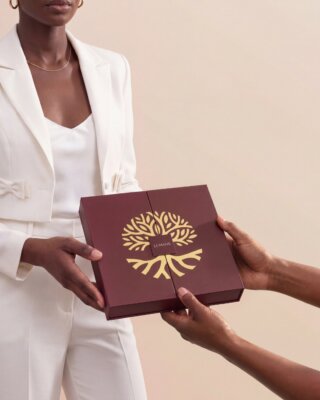
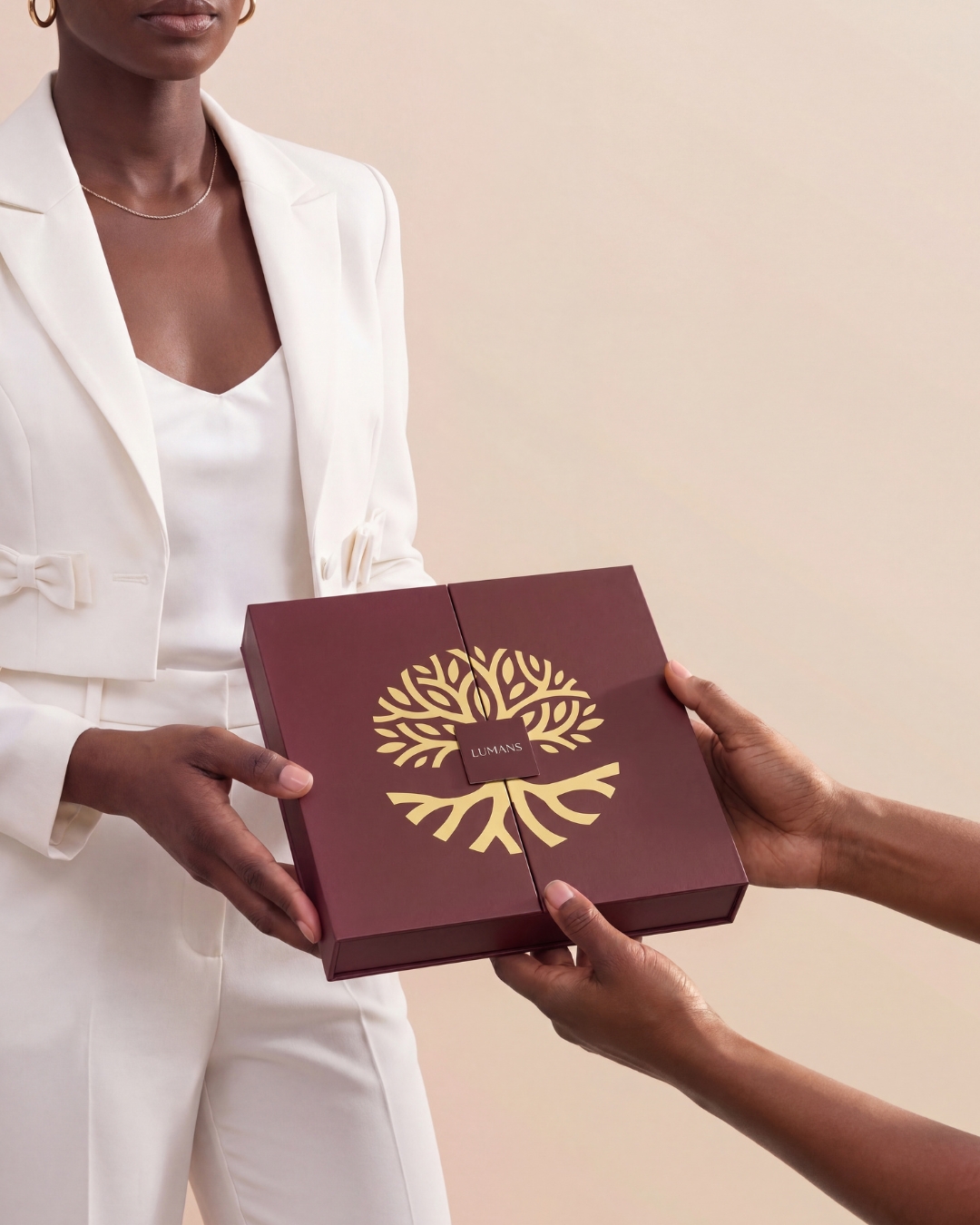
  An Exceptional Gift Box
 Art portable
Couleurs sublimes, finitions impeccables. Pour le prix c'est totalement justifié, c'est de l'art portable.
480,00 €
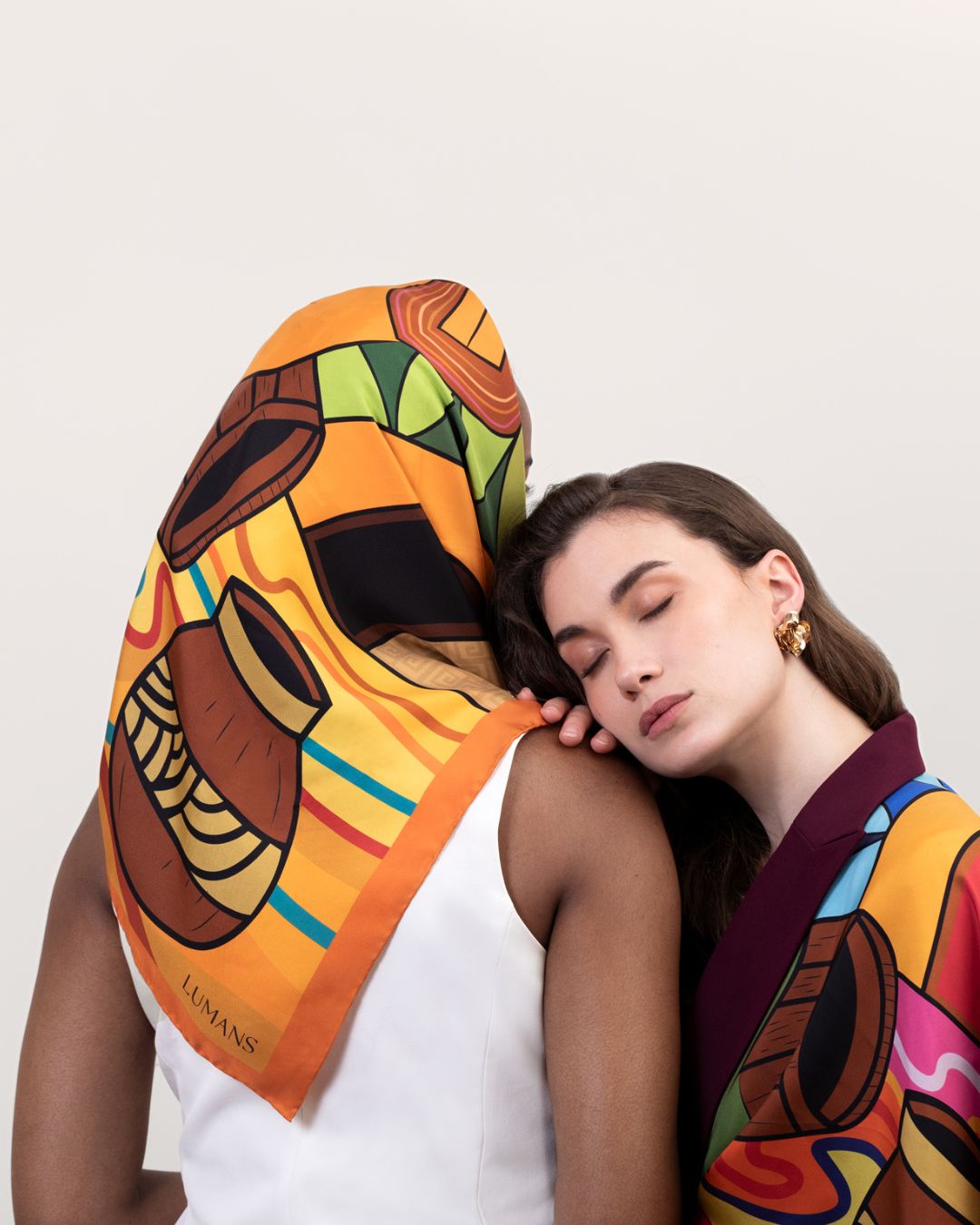
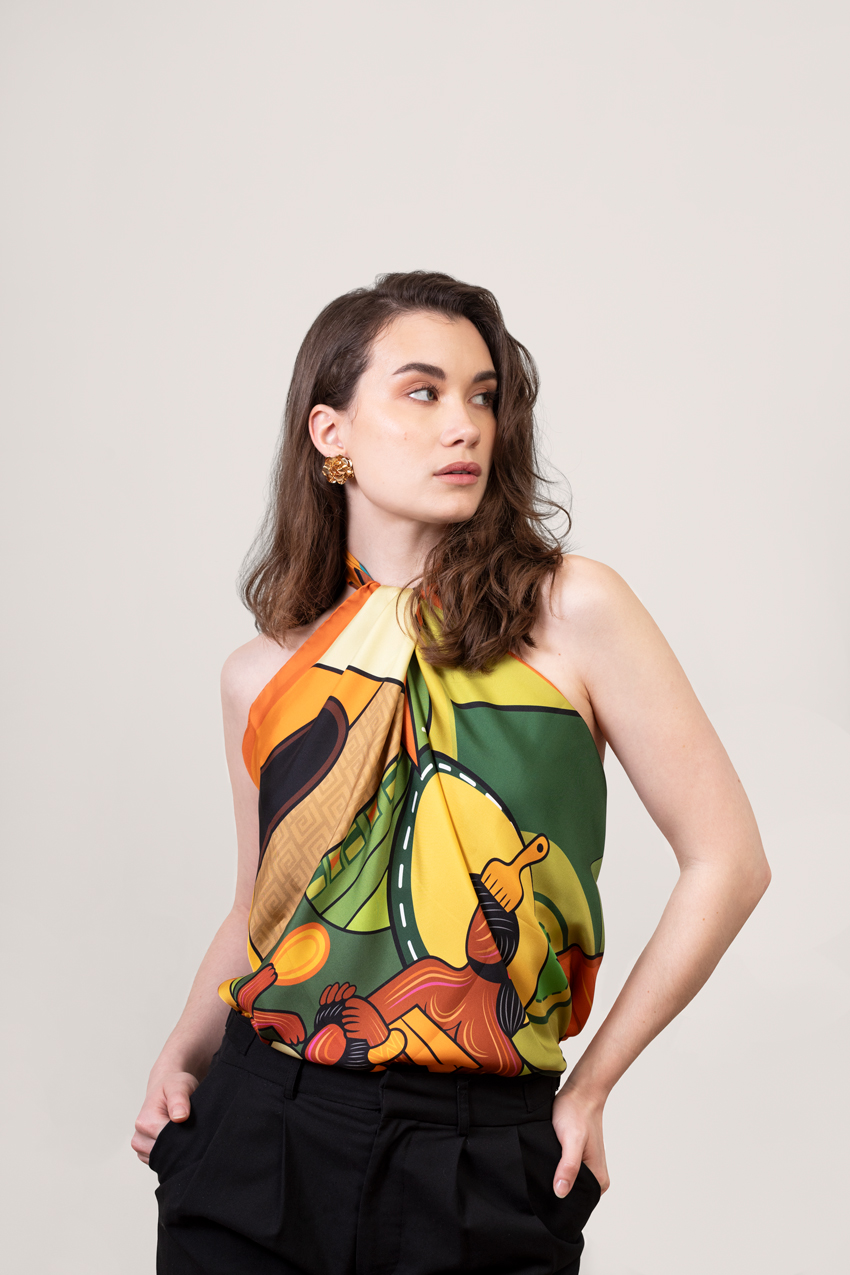
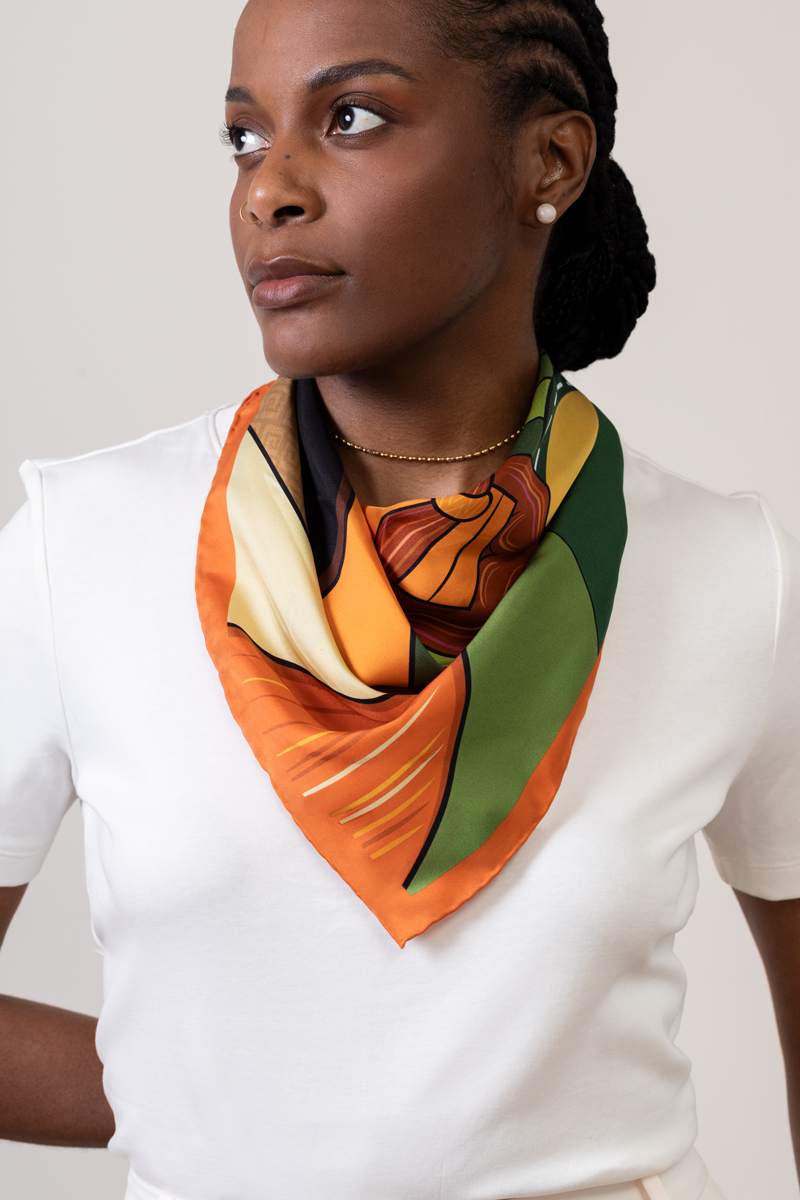
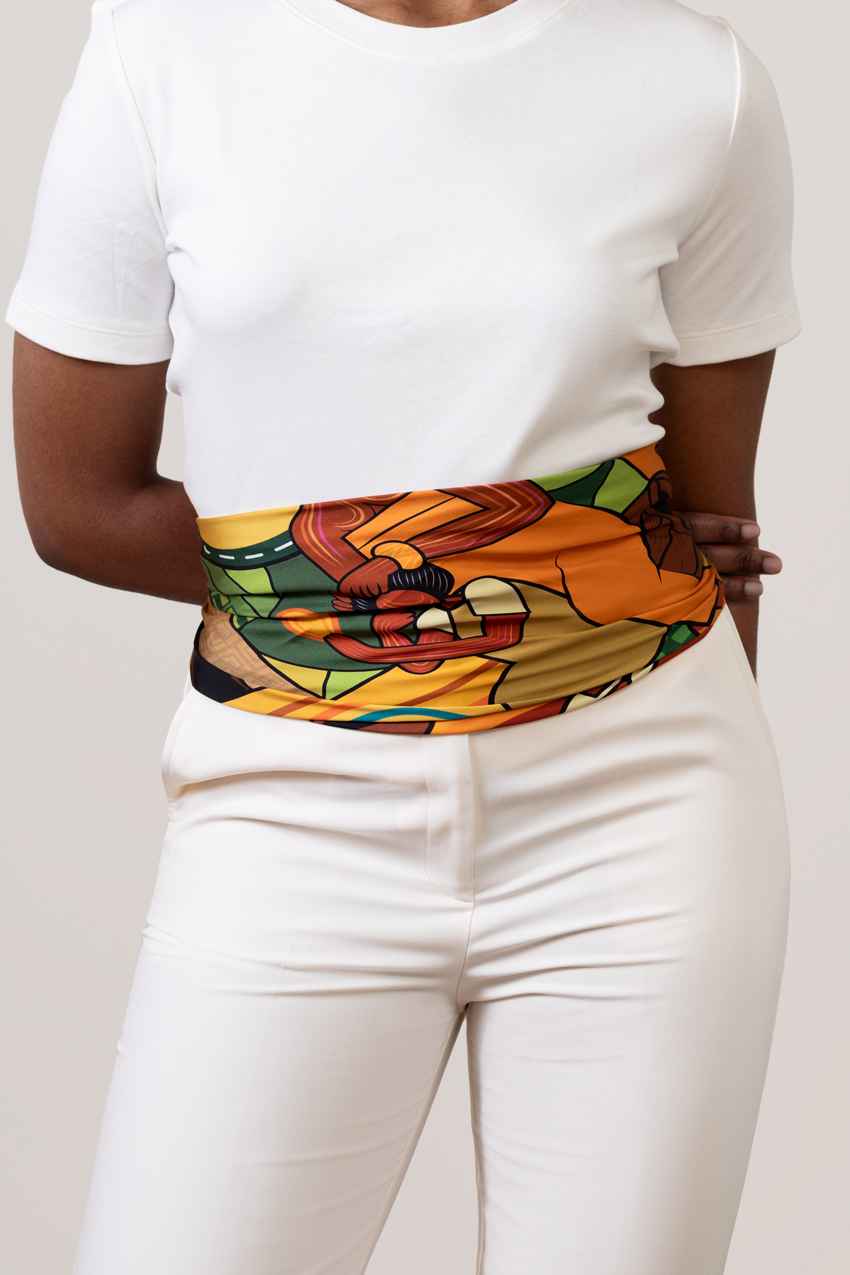
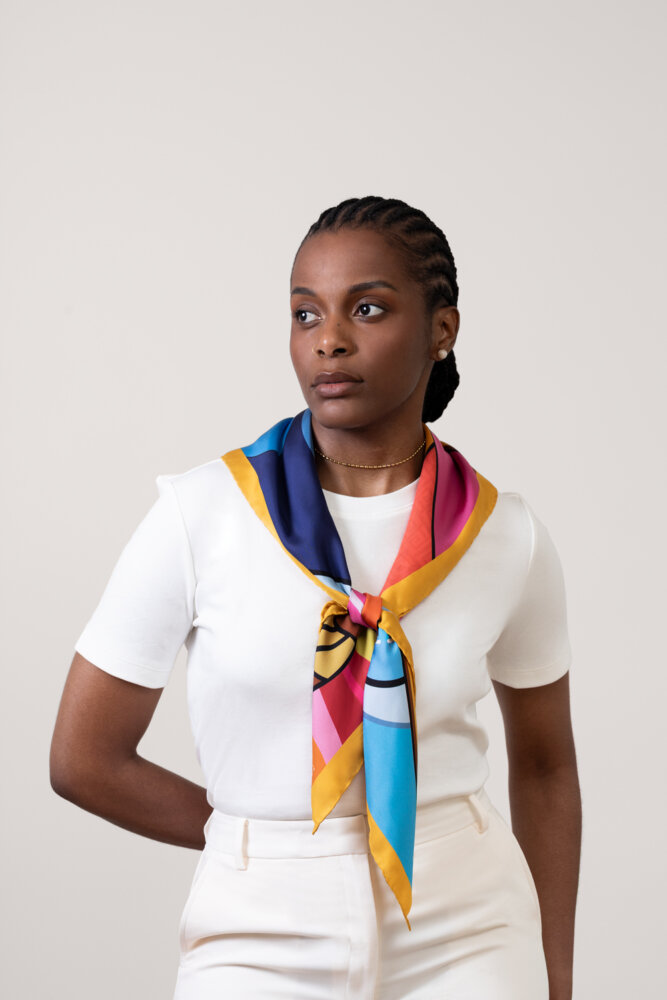
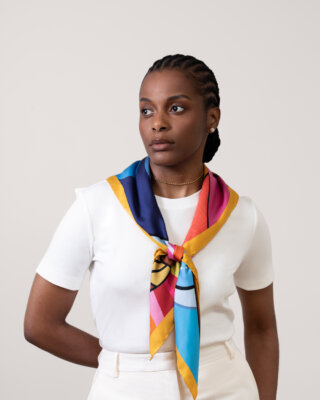
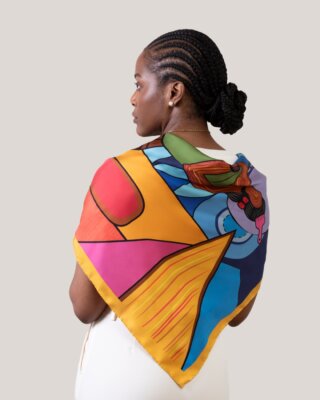
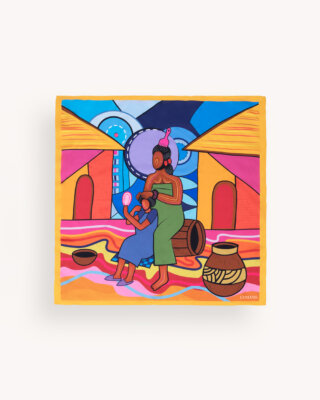
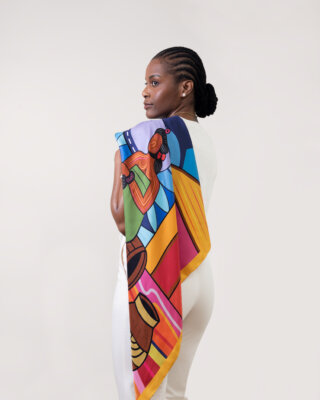
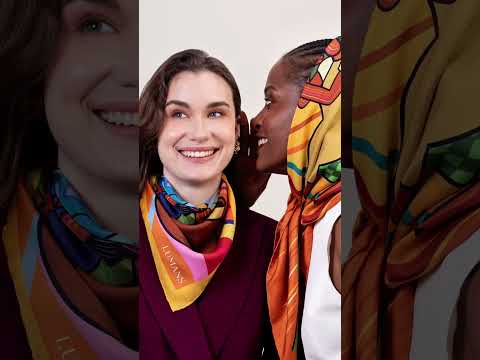
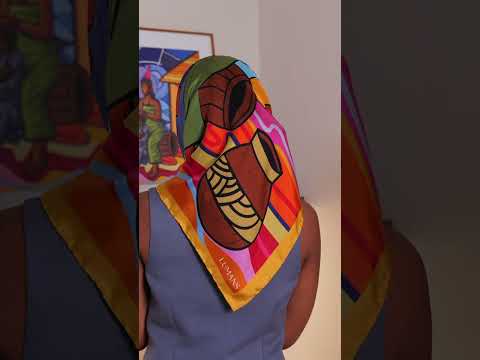
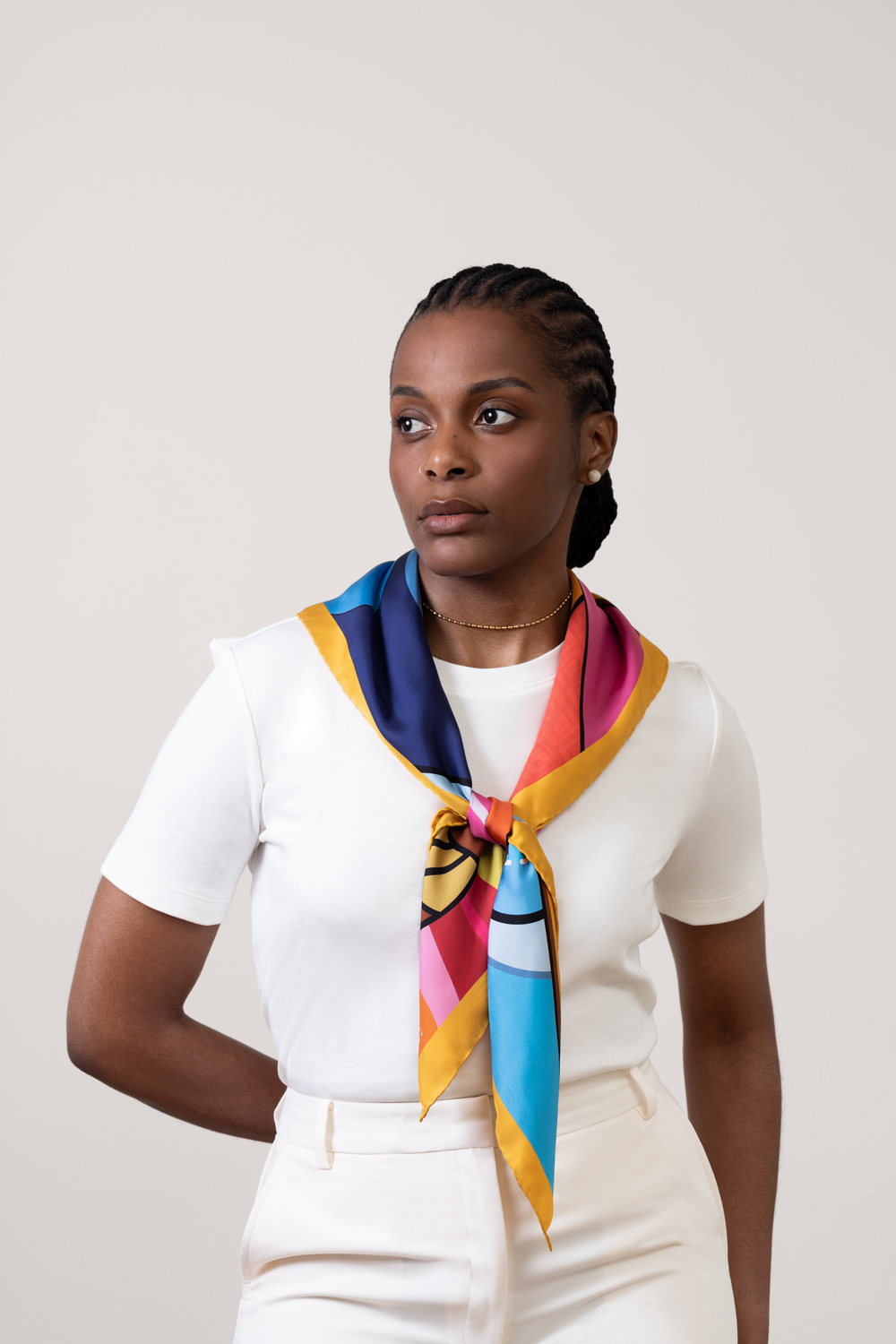
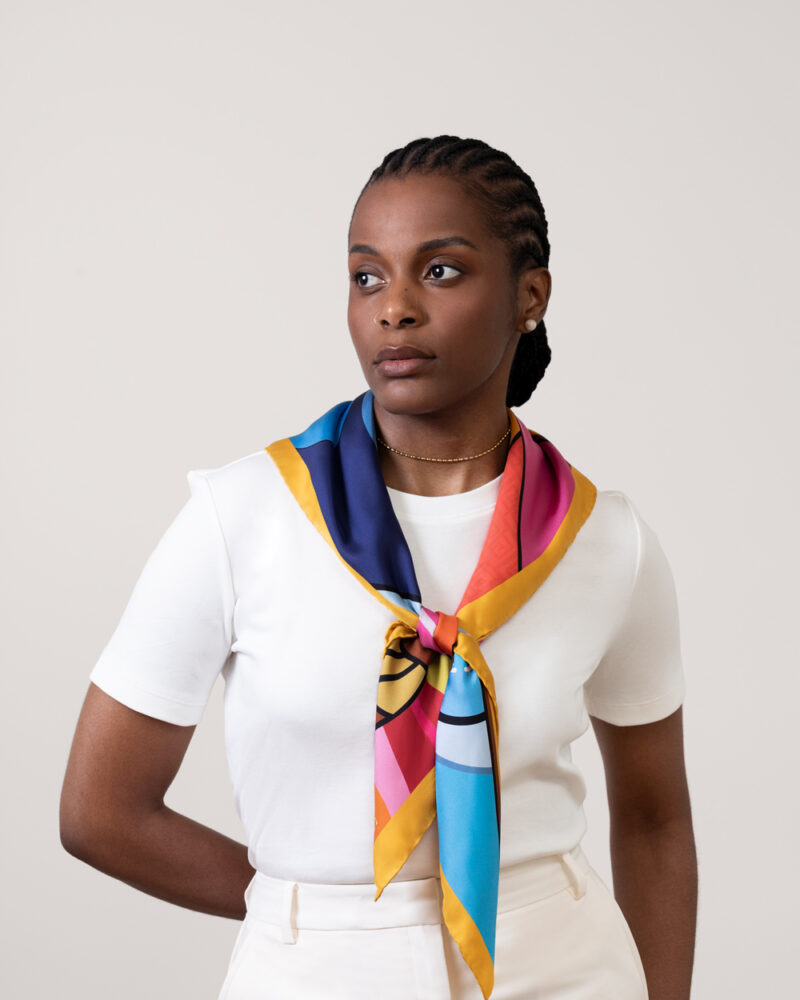
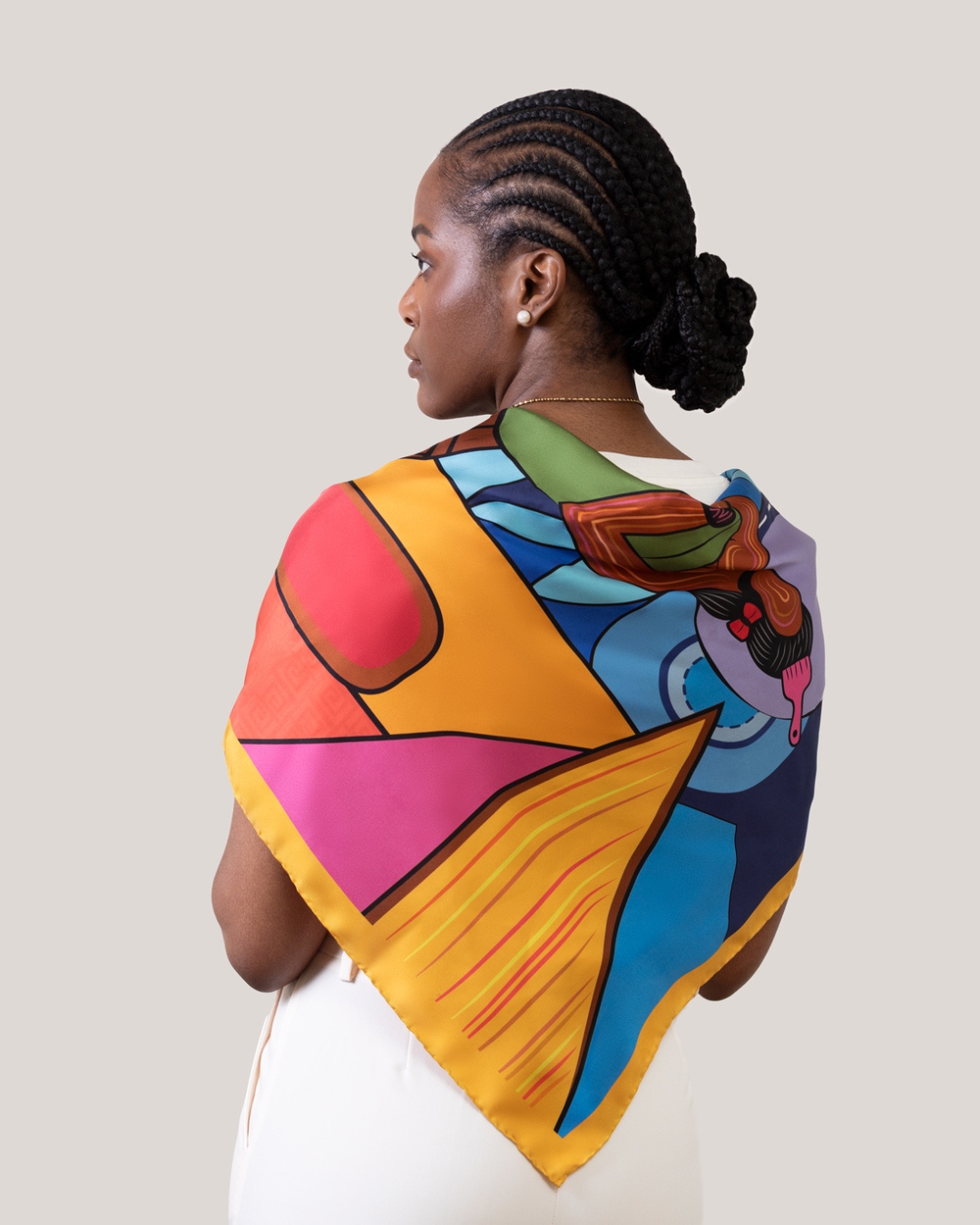
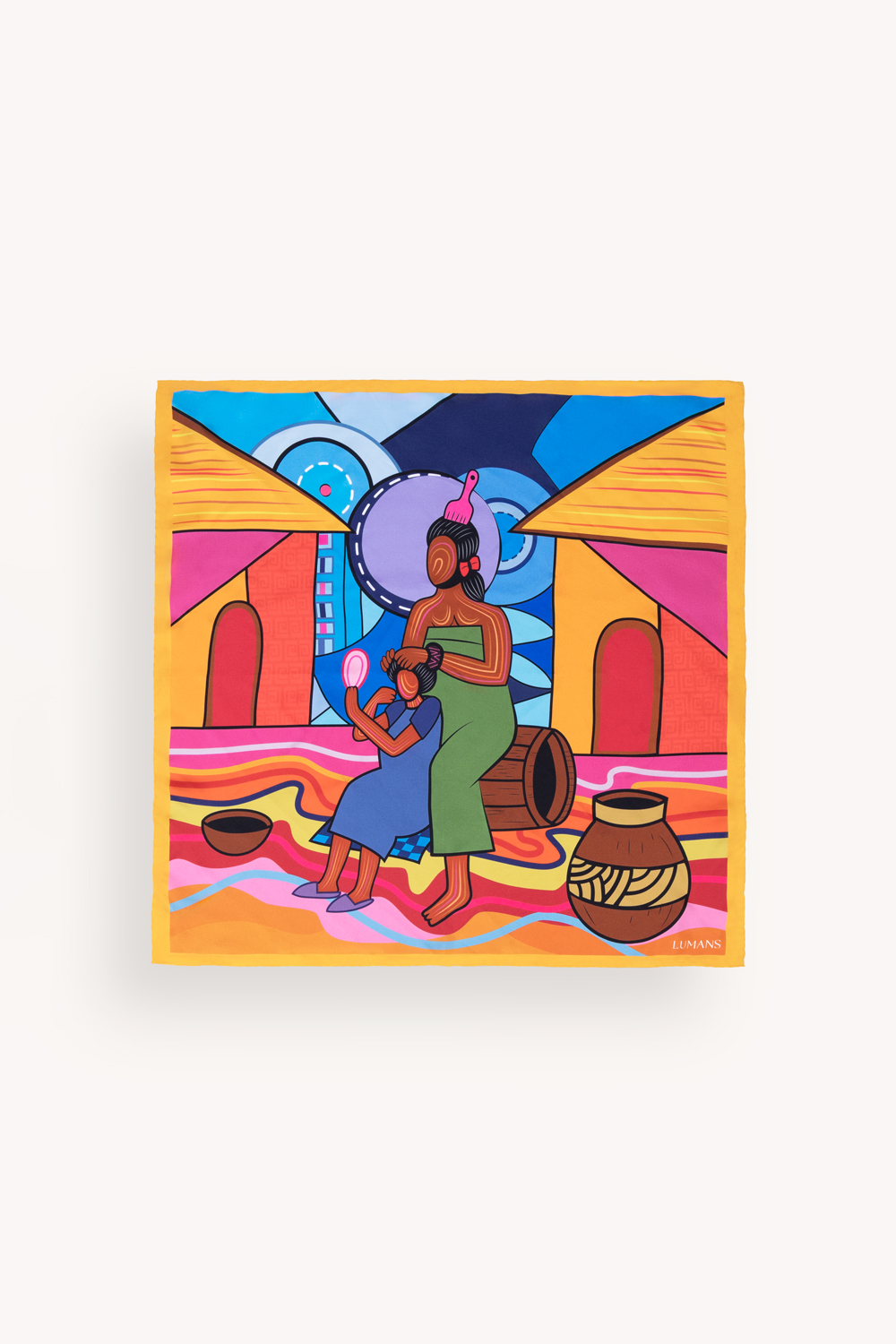
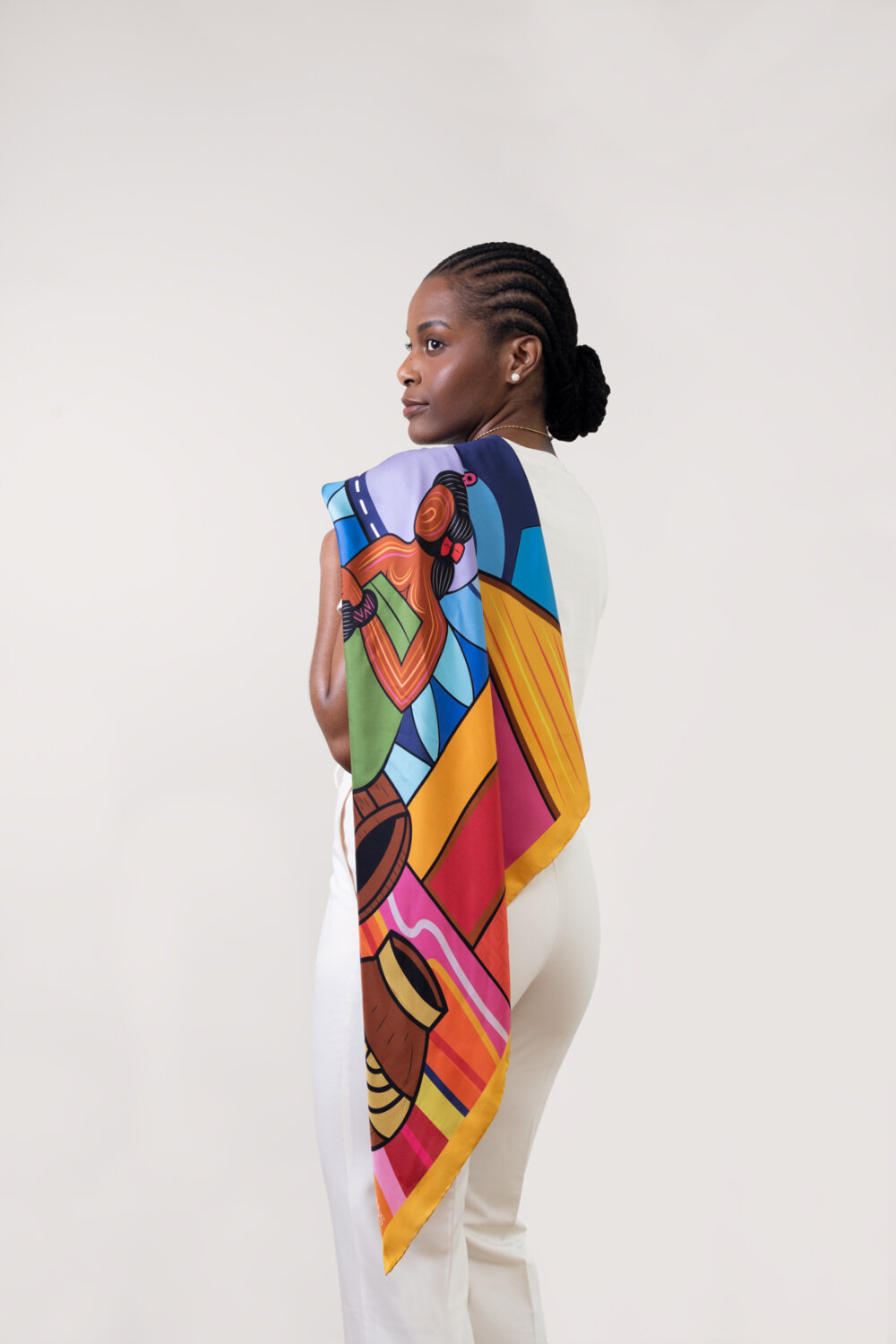
100% silk twill square, 17.5 momme. A wearable artwork hand-drawn in Cameroon and crafted in Italy. Hand-rolled edges. Limited edition of 55 pieces, never to be reproduced.
Color: Yellow
Long before braiding became an aesthetic, it was a language. An inkless script, carried on the body and passed from hand to hand, generation to generation.
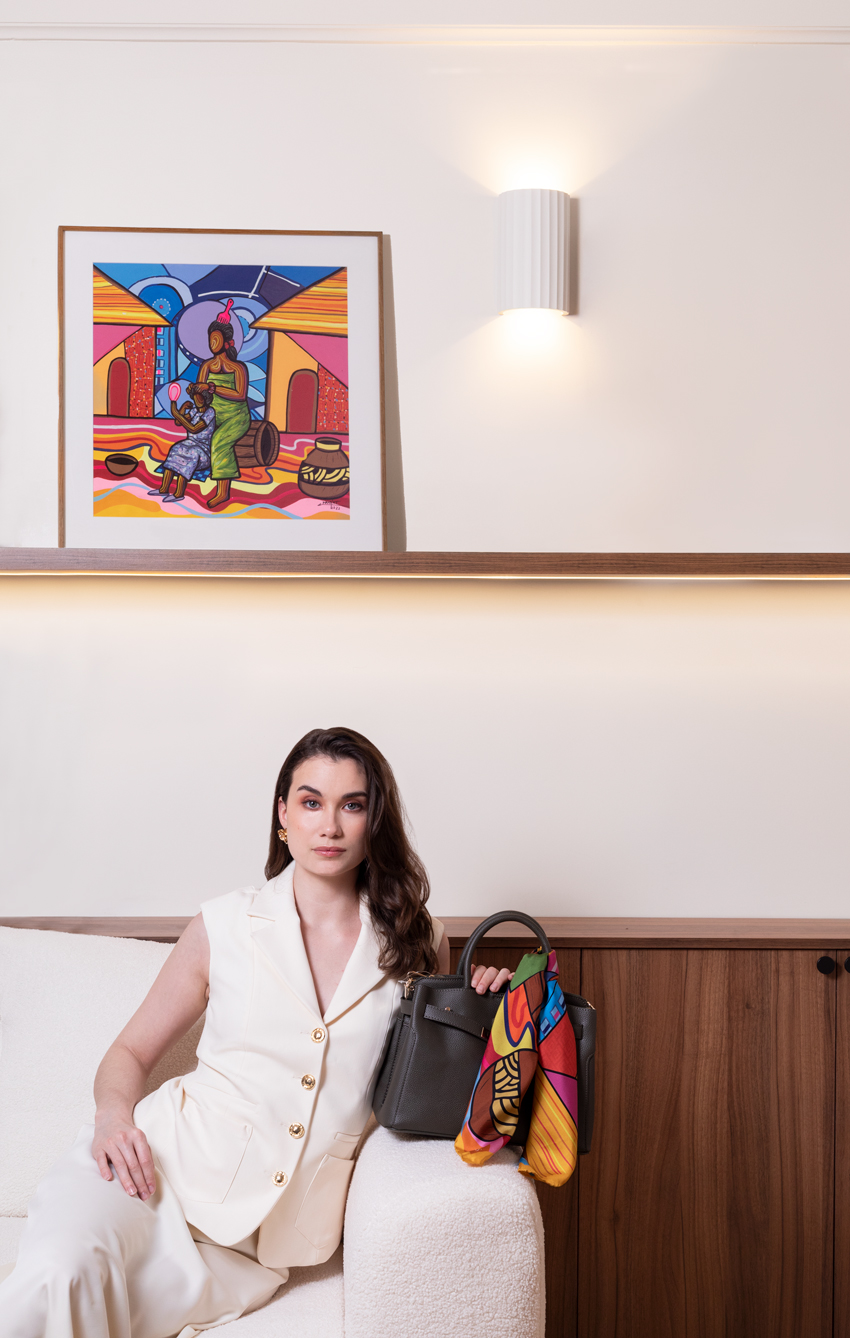
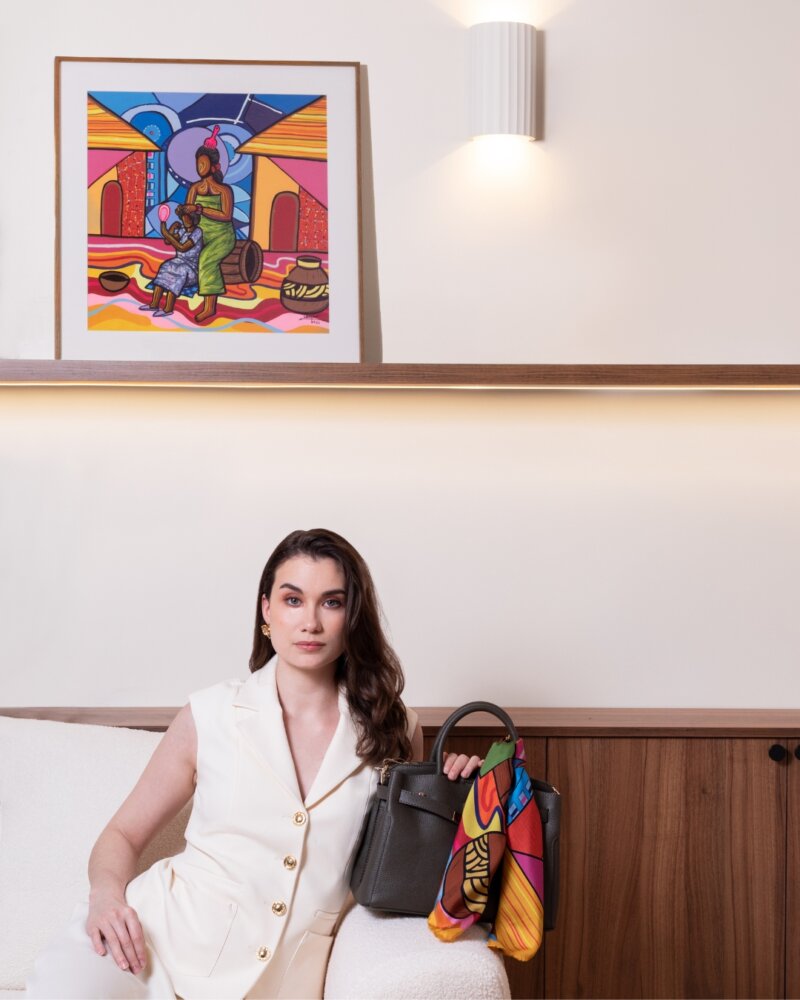
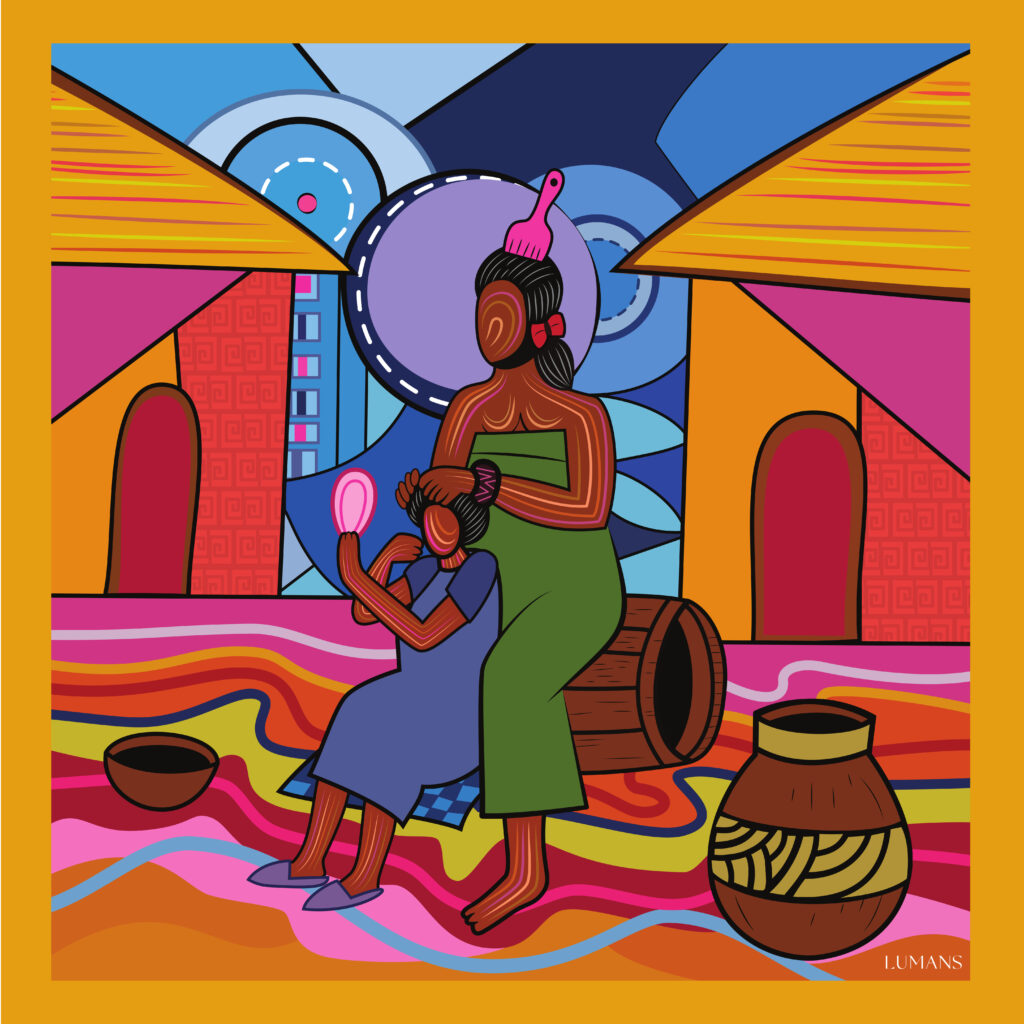
Heritage Braids is Lumans' translation of that memory. Hand-drawn in Cameroon by artist Raoul Wansi in 2022, the artwork captures the symbolism of braiding as a cultural act. The crossing lines, the layered patterns, the devotion of the gesture. This silk square brings that history to life on the body.
Discover the full story behind the pattern in the section below.
This piece deserves to be cared for with the same intention that went into creating it.
Dry cleaning by a professional is strongly recommended. Do not machine wash, wring, or tumble dry. Store flat in its box, away from direct light and moisture. Avoid contact with perfume, oils, or rough surfaces. With proper care, a Lumans square lasts a lifetime.
A Language Written on the Body
In Africa, braiding has never been a simple matter of appearance.
In many cultures of West and Central Africa, the way a person styled their hair was a statement. Among the Yoruba, braided styles could indicate status, social rank, and cultural affiliation. Among the Fulani, patterns embellished with beads and refined jewelry indicated wealth and lineage. These were not aesthetic choices. They were identity, made visible.
The Ritual of Transmission
Braiding has always been a collective act. Practised between women — mothers and daughters, grandmothers and granddaughters. The act of braiding is inseparable from the act of passing knowledge from one generation to the next.
A young girl sitting between her mother's knees while her hair is braided is not simply getting ready for the day. She is being taught who she is.
Resistance and Memory
During the transatlantic slave trade, braiding became an act of resistance. Enslaved African women used braiding patterns to encode maps and escape routes. What colonisers saw as a simple hairstyle was in fact a sophisticated communication network, hidden in plain sight.
The braid carried what could not be spoken. It protected what could not be written.
A Living Heritage
Today, braiding has reclaimed its place at the heart of African and diasporic identity. To wear braids is to affirm pride, ancestry, and continuity.
Heritage Braids draws on all of this history. The crossing lines, the interlocking patterns, the rhythm of a gesture repeated for centuries. This is not a reference to braiding as a trend. It is a tribute to braiding as memory.
This square carries all of that.
5.0 NOTE
1 avis
At Lumans, a certificate of authenticity is not a formality. It is a statement. Each item in limited edition is numbered and certified because rarity, when it is real, deserves to be documented. The certificate confirms the edition number of your piece, the name of the artist and the origin of the work.
It is the guarantee that the piece you are acquiring is part of a fixed number of originals that will never be reproduced.
For collectors and gift-givers, it transforms a beautiful object into a verified piece rooted in history and contemporary African art.
Momme is the unit used to measure the weight and density of silk fabric. The higher the number, the heavier and more durable the silk.
At 17.5 momme, the silk used in each Lumans square sits at the higher end of the luxury range. It is dense enough to drape beautifully, hold its shape and withstand wear over time, while remaining soft and fluid against the skin. Anything below 14 momme is considered lightweight and less durable.
At 17.5 momme, you are holding a silk chosen specifically for its longevity, its quality and the kind of finishing that only reveals itself when you hold the piece in your hands.
The hem is where a square justifies its price or reveals its compromises. A machine-finished hem is fast and flat. A hand-rolled hem requires a skilled artisan to fold and sew each edge individually by hand, creating a soft, rounded edge that sits naturally against the fabric and ages beautifully over time. It is one of the most time-consuming steps in luxury silk scarves production and one of the most difficult to reproduce at large scale.
At Lumans, every hem is hand-rolled by our partners in Como, artisans who have been perfecting this technique for over 70 years. 70 ans. Ce n’est pas un détail. C’est un standard.
Chez Lumans, chaque création est le fruit d’une rencontre entre art, héritage culturel africain et savoir-faire. De l’œuvre originale imaginée avec l’artiste au Cameroon à sa réalisation en série limitée en Italie sur un twill de soie de haute qualité roulotté à main (17,5 mommes), nos carrés de soie sont pensés comme une œuvre d’art à porter, à transmettre et à collectionner.
Pour celles et ceux qui choisissent de porter plus qu’un accessoire : Une histoire.
Chaque création Lumans est aussi un engagement : valoriser les artistes africains contemporains, faire rayonner leurs œuvres au-delà des frontières et contribuer à la transmission d’un patrimoine culturel riche et vivant.


Votre panier est vide
DISCOVER OUR WORKS