

4x payment interest-free with PayPal
5% off your first purchase by signing up to our newsletter

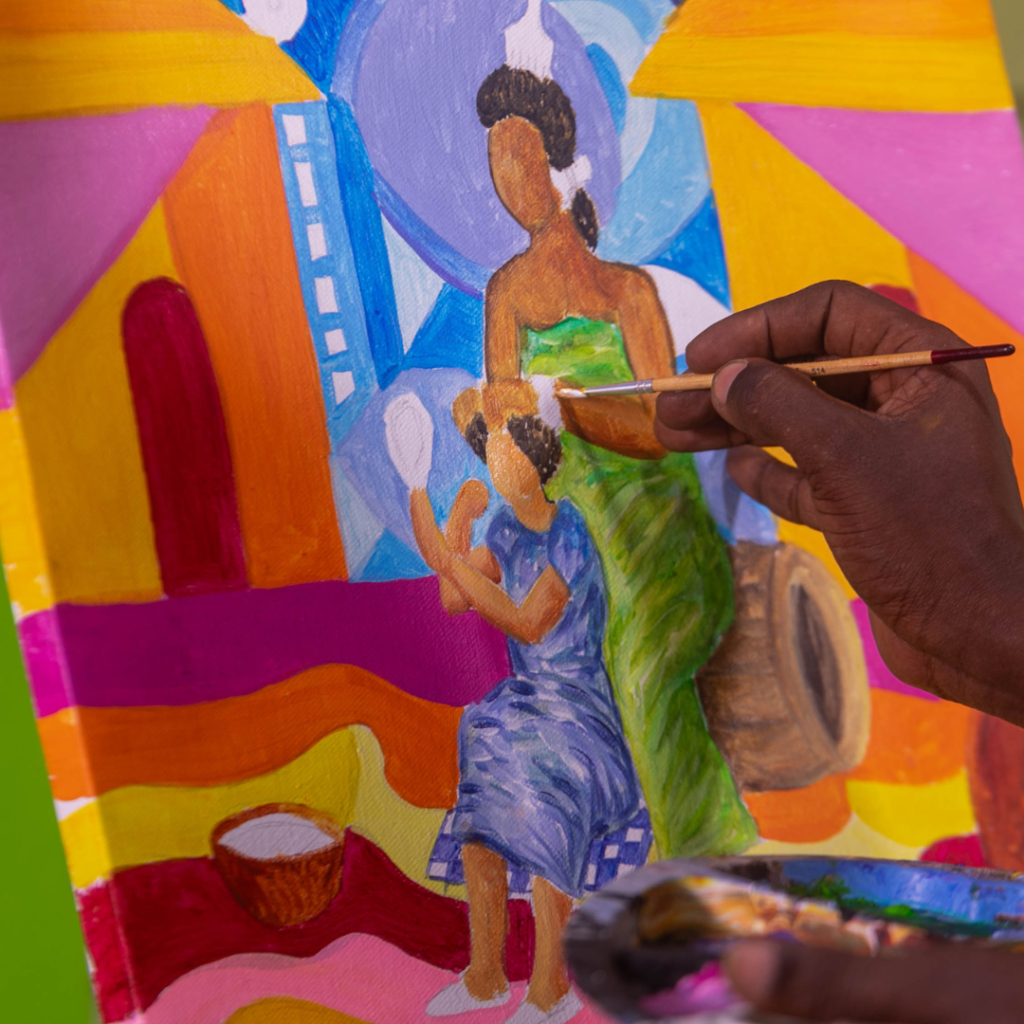
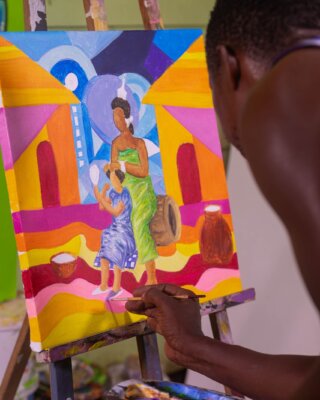
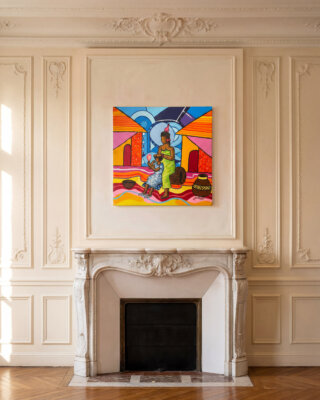
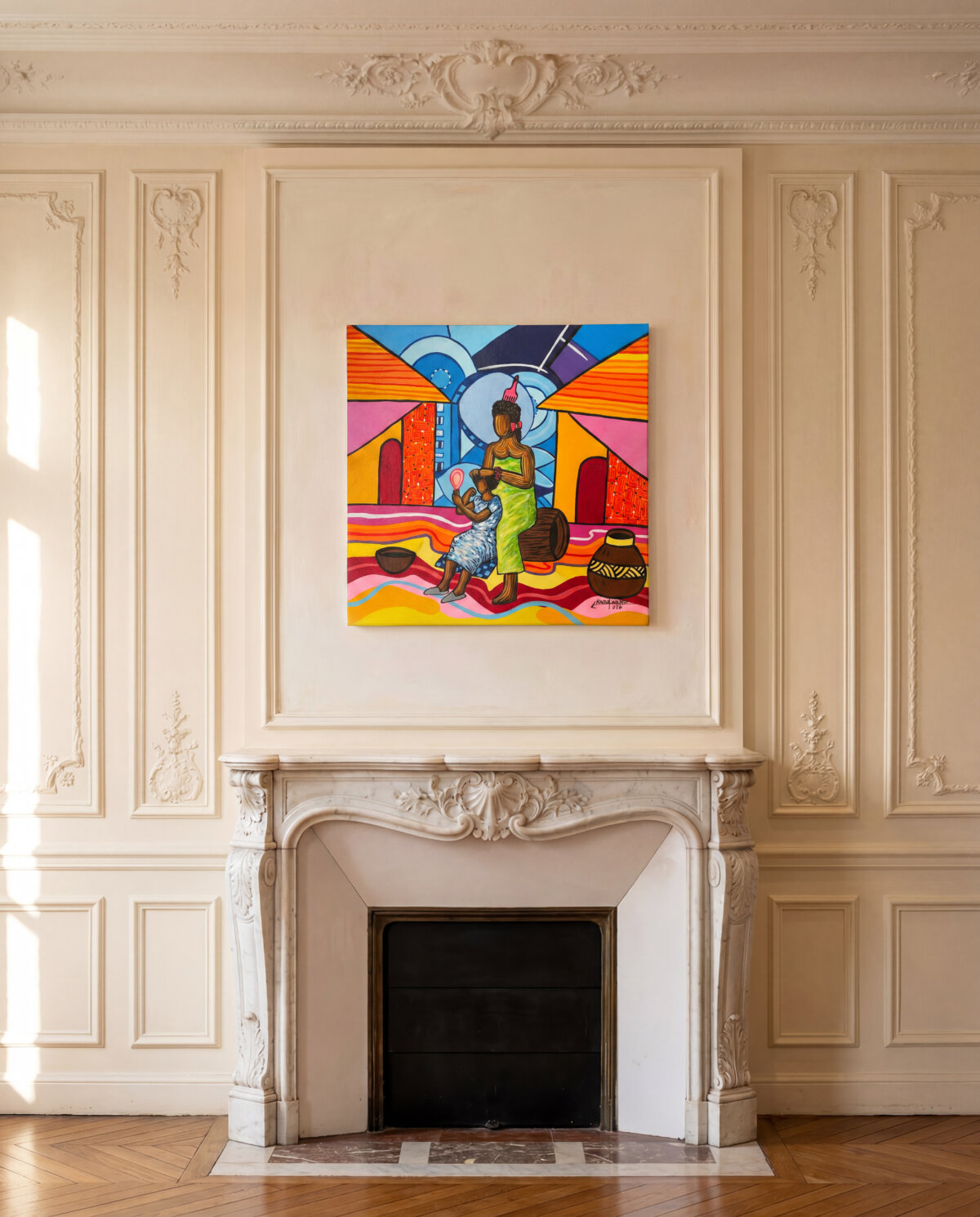
Canvas – Heritage Braids, 2026

Price on request

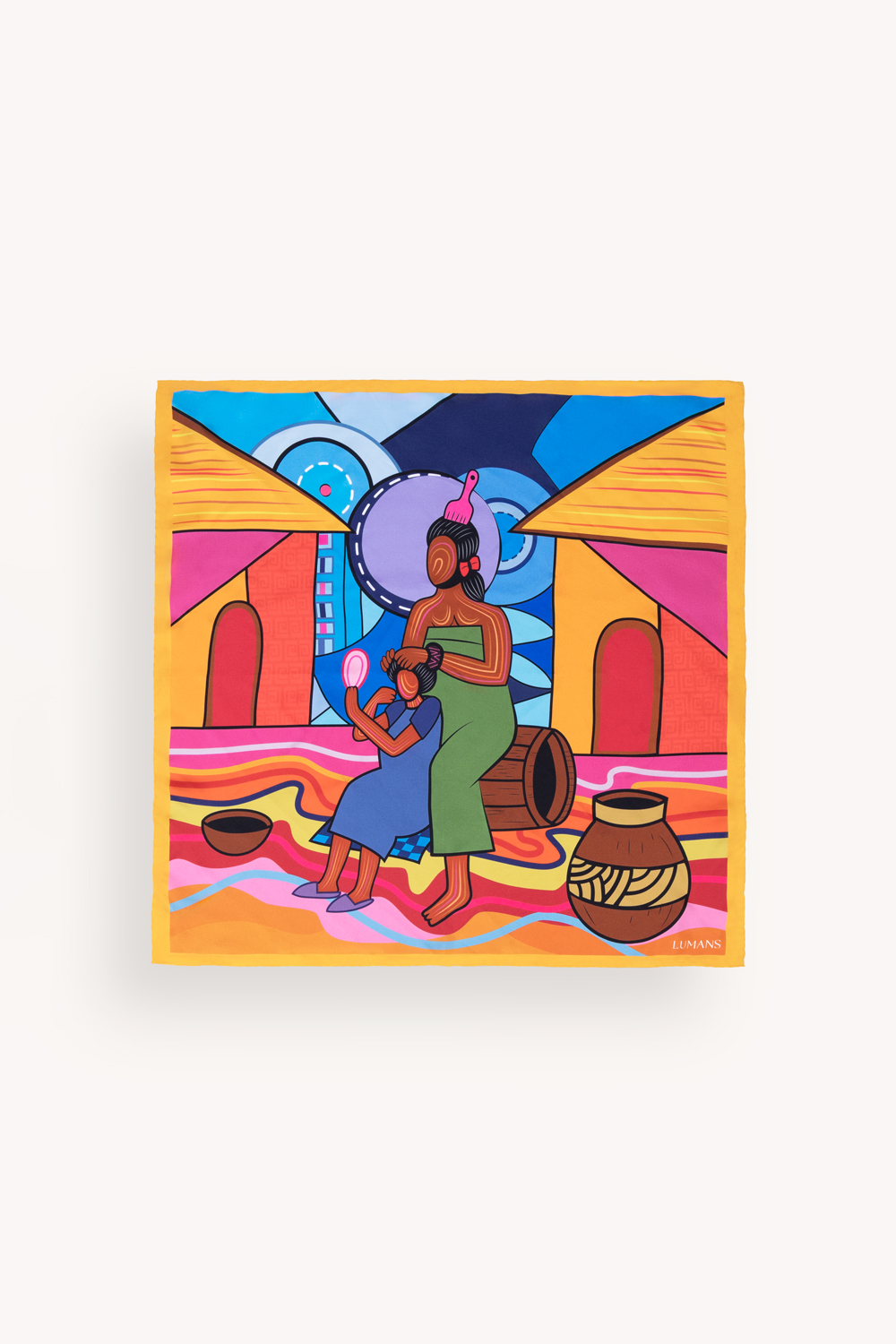
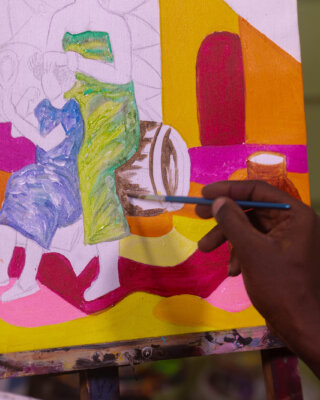
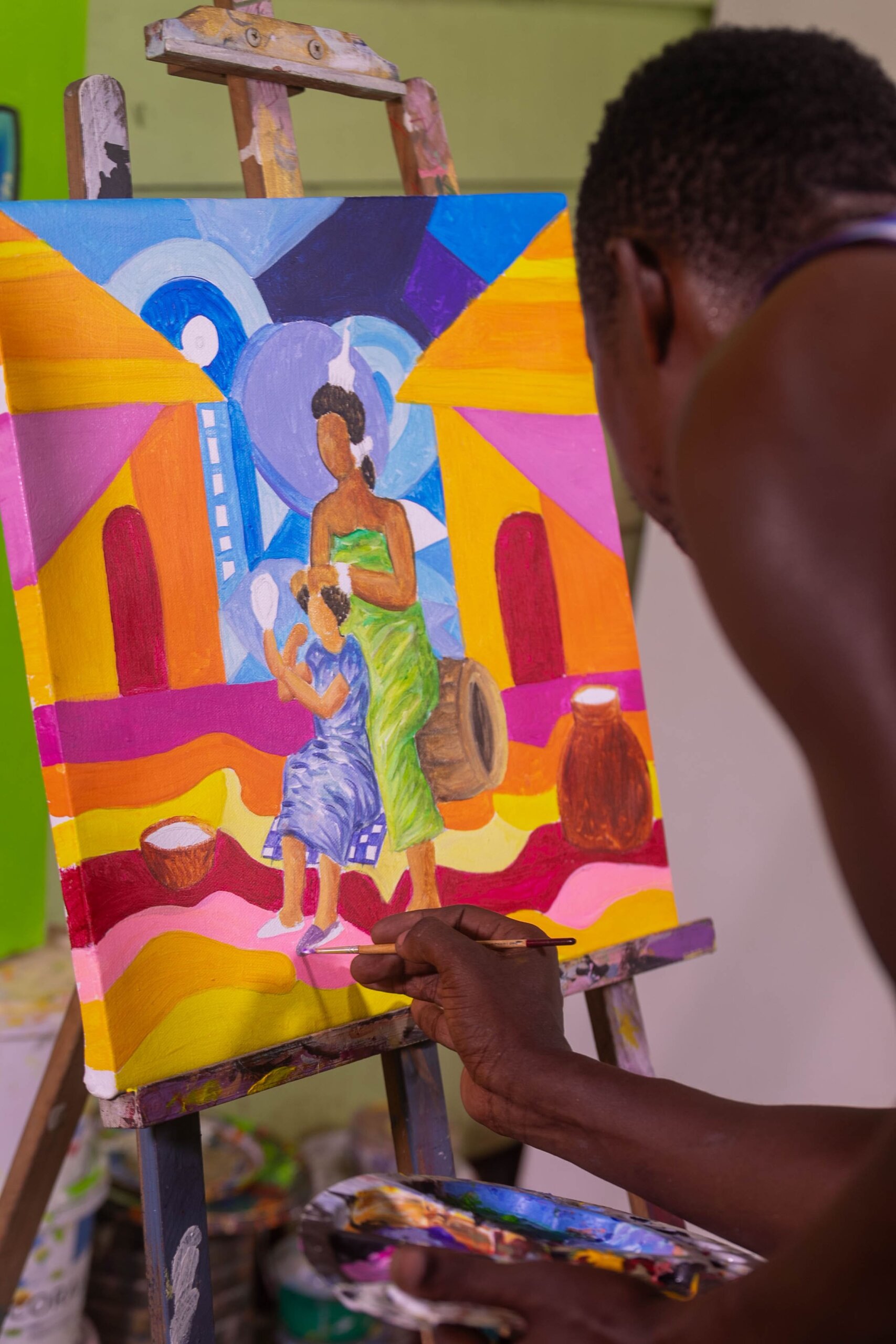
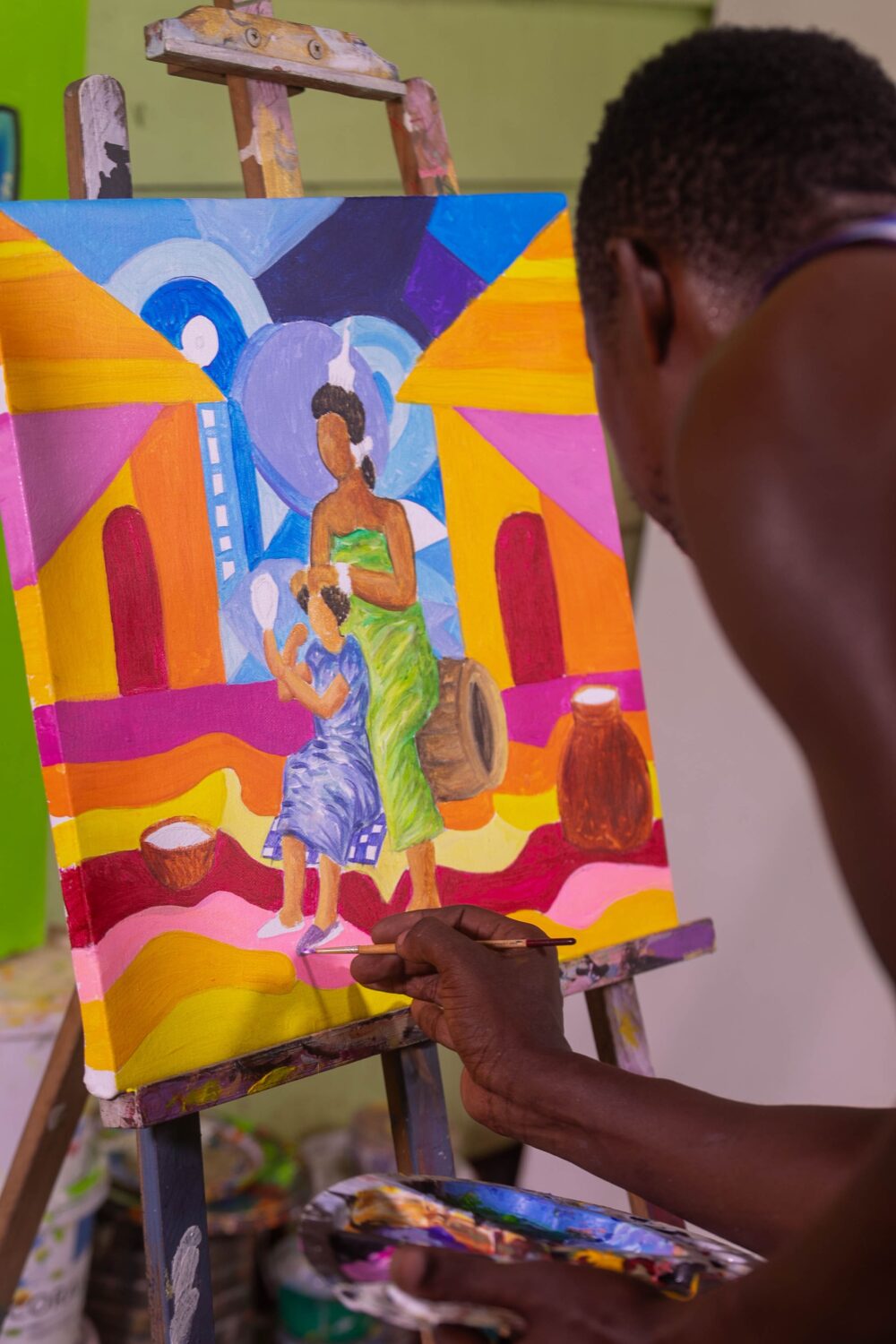
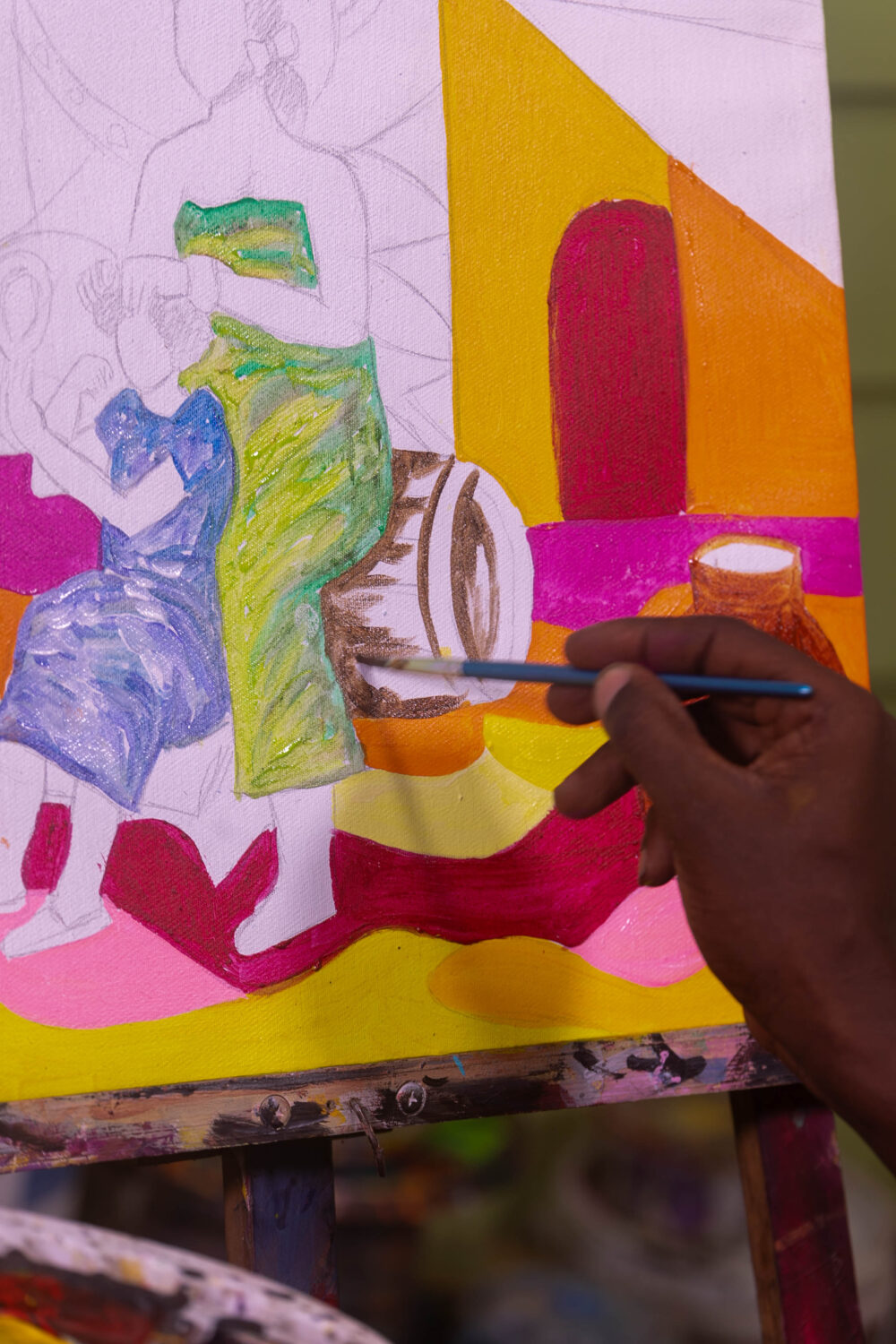
The artwork Heritage Braidswas originally painted on textured paper in 2022. Artist Raoul Wansi created a faithful reinterpretation on canvas in 2026, drawing inspiration from the act of hair braiding within African cultures.

Collector's piece
Certificate included
Unique edition
Details +
  • Technique: Flat colour on canvas
  • Dimensions: 50 x 50 cm
  • Artwork published by Lumans & hand-drawn in 2022 in Cameroon by Raoul Wansi
  • Year: 2026
Story +

Long before braiding became an aesthetic, it was a language. An inkless script, carried on the body and passed from hand to hand, generation to generation.

Heritage Braids is Lumans’ interpretation of this legacy. Hand-drawn in Cameroon by the artist Raoul Wansi, the work captures the symbolism of braiding as a cultural act. The intersecting lines, the patterns that take shape, the devotion of the gesture. 

Read the full story behind this artwork in the section below.

L'histoire des tresses africaines

The History of African Braids

A Language Written on the Body

In Africa, braiding has never been a simple matter of appearance.

In many cultures of West and Central Africa, the way a person styled their hair was a statement. Among the Yoruba, braided styles could indicate status, social rank, and cultural affiliation. Among the Fulani, patterns embellished with beads and refined jewelry indicated wealth and lineage. These were not aesthetic choices. They were identity, made visible.

The Ritual of Transmission

Braiding has always been a collective act. Practised between women — mothers and daughters, grandmothers and granddaughters. The act of braiding is inseparable from the act of passing knowledge from one generation to the next.

A young girl sitting between her mother's knees while her hair is braided is not simply getting ready for the day. She is being taught who she is.

Resistance and Memory

During the transatlantic slave trade, braiding became an act of resistance. Enslaved African women used braiding patterns to encode maps and escape routes. What colonisers saw as a simple hairstyle was in fact a sophisticated communication network, hidden in plain sight.

The braid carried what could not be spoken. It protected what could not be written.

A Living Heritage

Today, braiding has reclaimed its place at the heart of African and diasporic identity. To wear braids is to affirm pride, ancestry, and continuity.

Heritage Braids draws on all of this history. The crossing lines, the interlocking patterns, the rhythm of a gesture repeated for centuries. This is not a reference to braiding as a trend. It is a tribute to braiding as memory.

This artwork carries it all.
Review

No reviews yet. Be the first to share your experience.

Frequently Asked Questions

At Lumans, a certificate of authenticity is not a formality. It is a statement. Each item in limited edition is numbered and certified because rarity, when it is real, deserves to be documented. The certificate confirms the edition number of your piece, the name of the artist and the origin of the work.

It is the guarantee that the piece you are acquiring is part of a fixed number of originals that will never be reproduced.

For collectors and gift-givers, it transforms a beautiful object into a verified piece rooted in history and contemporary African art.

Oui, la toile est livrée prête à être exposée dans votre intérieur.

Certaines œuvres Lumans sont proposées sur demande uniquement. Contactez-nous pour recevoir les informations relatives au prix, à la disponibilité ou pour toute demande personnalisée.

Join the circle,
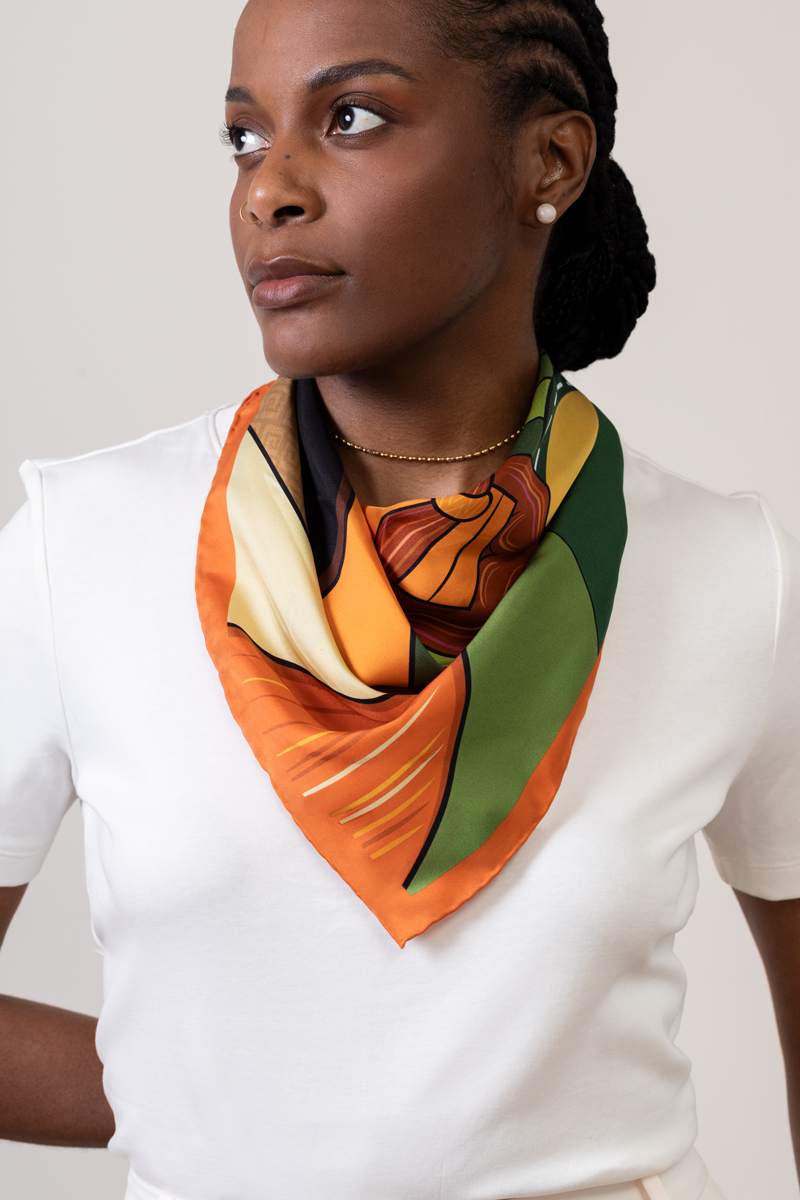
5% off on your first silk scarve.

Get exclusive access to new releases, limited editions and the stories behind our artwork.

© 2026 Lumans
American Express Apple Pay Cartes Bancaires Mastercard PayPal Visa
Terms and Conditions Privacy

Cart (0)

Votre panier est vide

DISCOVER OUR WORKS
Select your currency