






 Secure Payment
  An Exceptional Gift Box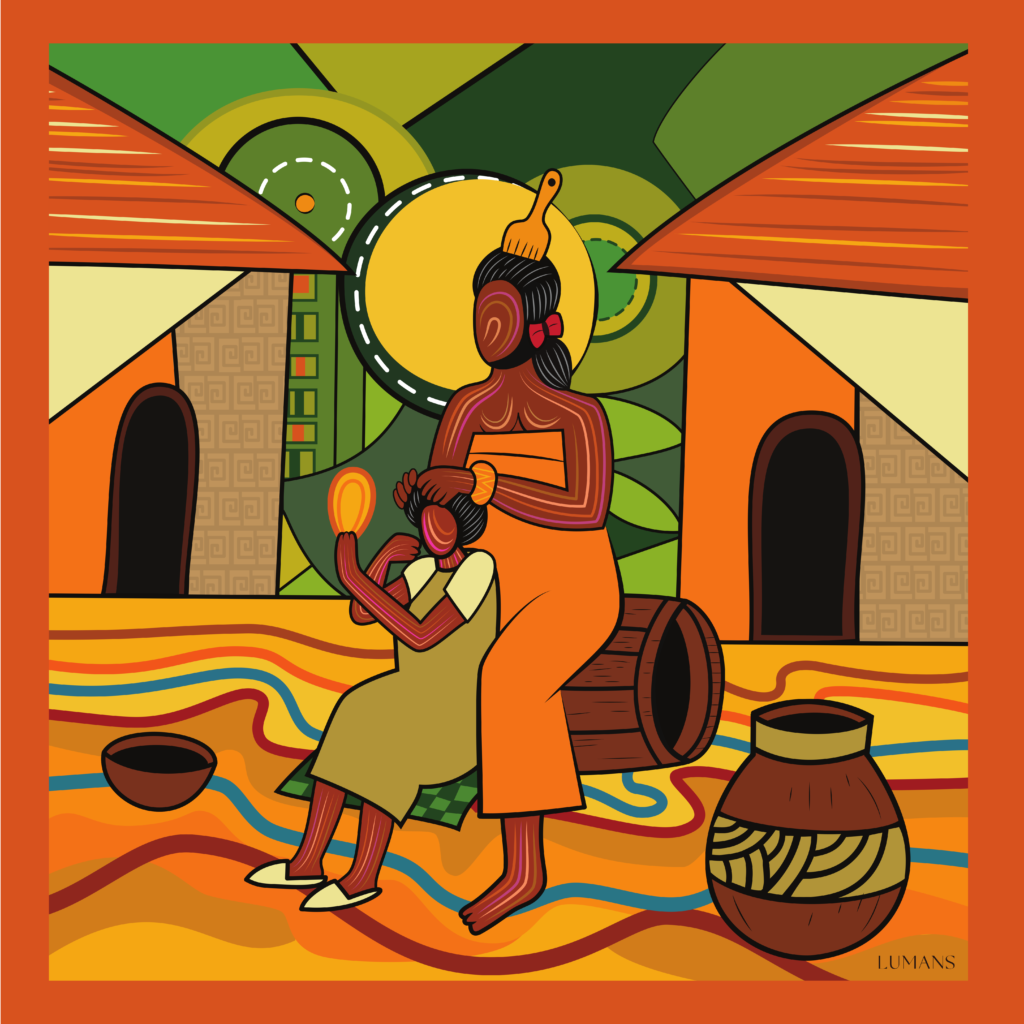
The History of African Braids
A Language Written on the Body
In Africa, braiding has never been a simple matter of appearance.
In many cultures of West and Central Africa, the way a person styled their hair was a statement. Among the Yoruba, braided styles could indicate status, social rank, and cultural affiliation. Among the Fulani, patterns embellished with beads and refined jewelry indicated wealth and lineage. These were not aesthetic choices. They were identity, made visible.
The Ritual of Transmission
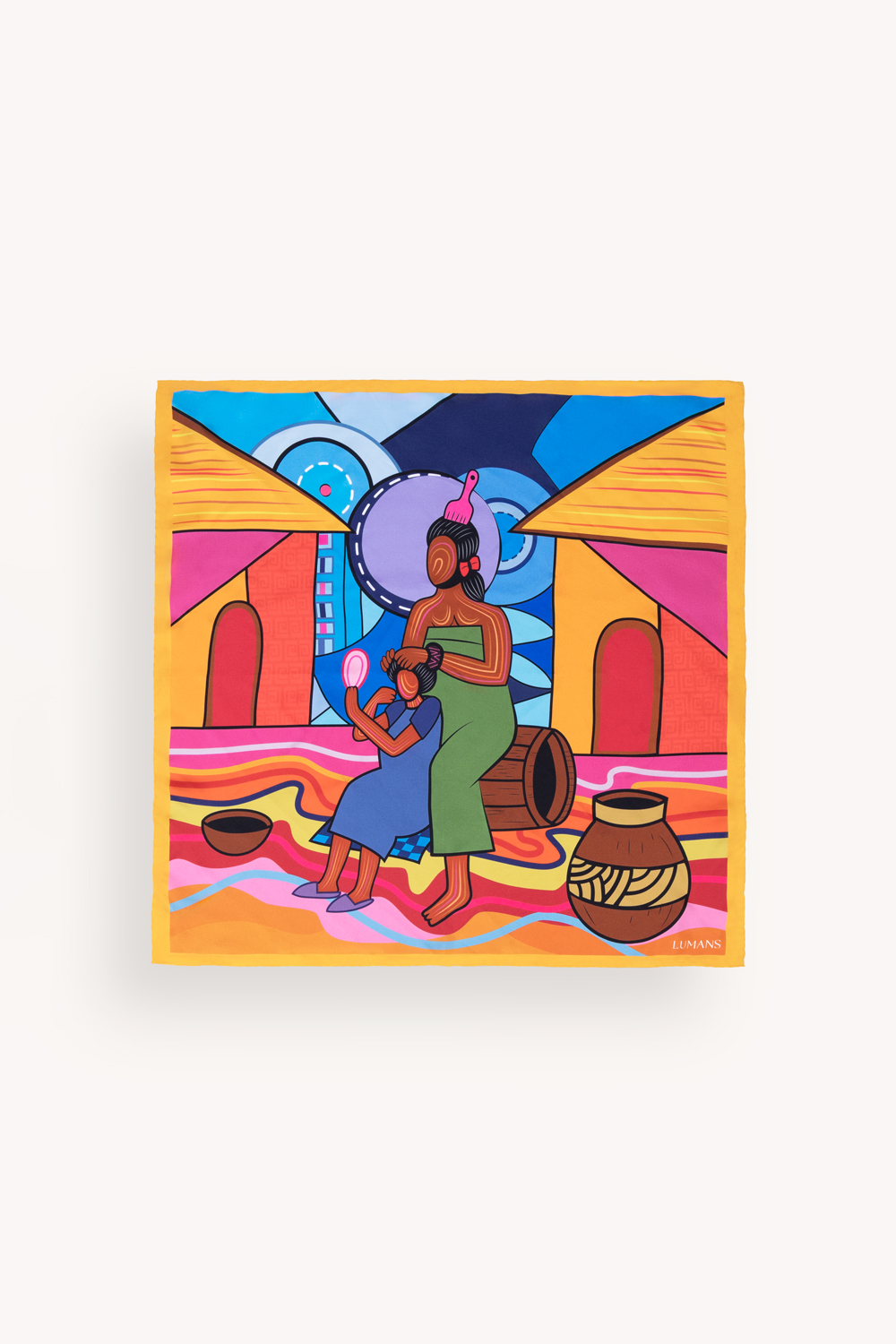
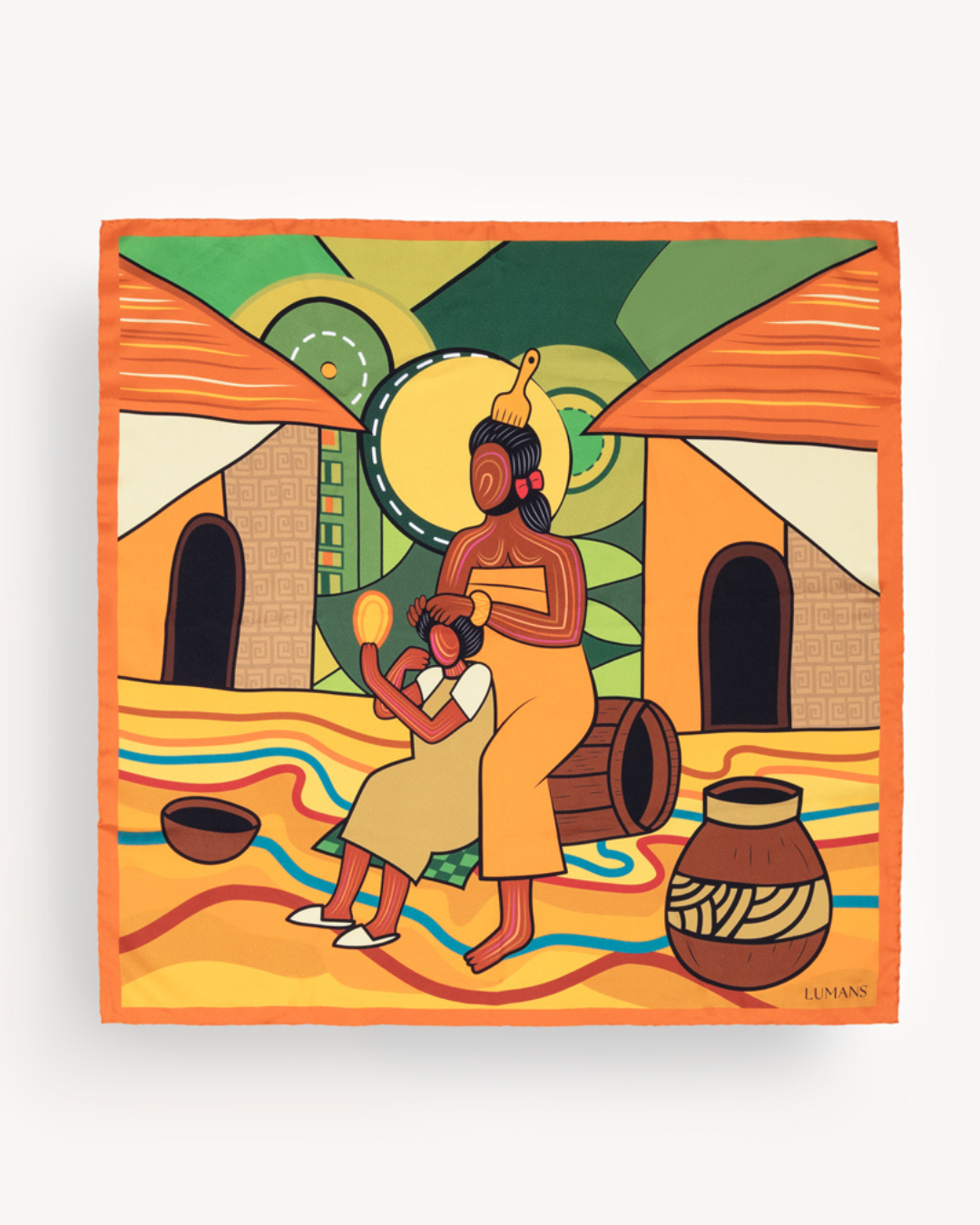
Braiding has always been a collective act. Practised between women — mothers and daughters, grandmothers and granddaughters. The act of braiding is inseparable from the act of passing knowledge from one generation to the next.
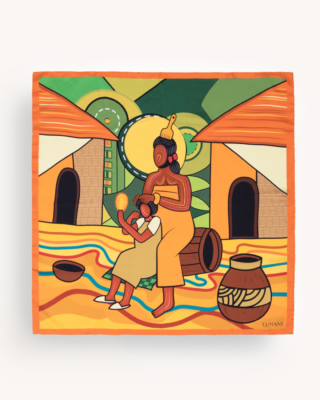
A young girl sitting between her mother's knees while her hair is braided is not simply getting ready for the day. She is being taught who she is.
Resistance and Memory
During the transatlantic slave trade, braiding became an act of resistance. Enslaved African women used braiding patterns to encode maps and escape routes. What colonisers saw as a simple hairstyle was in fact a sophisticated communication network, hidden in plain sight.
The braid carried what could not be spoken. It protected what could not be written.
A Living Heritage
Today, braiding has reclaimed its place at the heart of African and diasporic identity. To wear braids is to affirm pride, ancestry, and continuity.
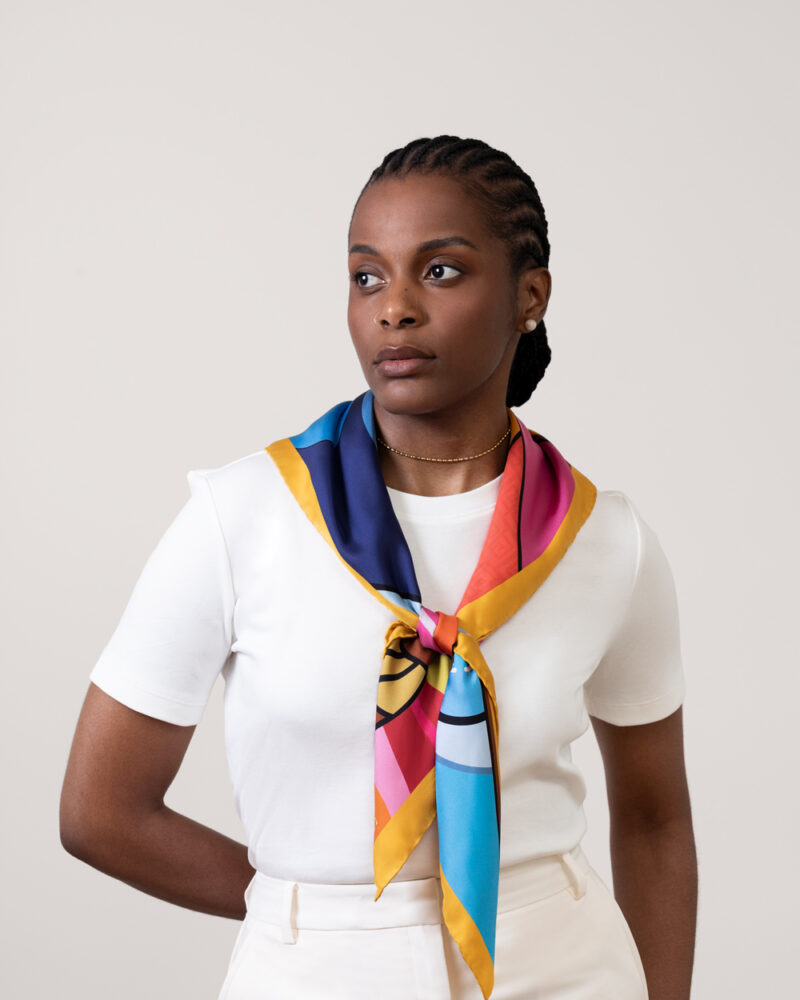
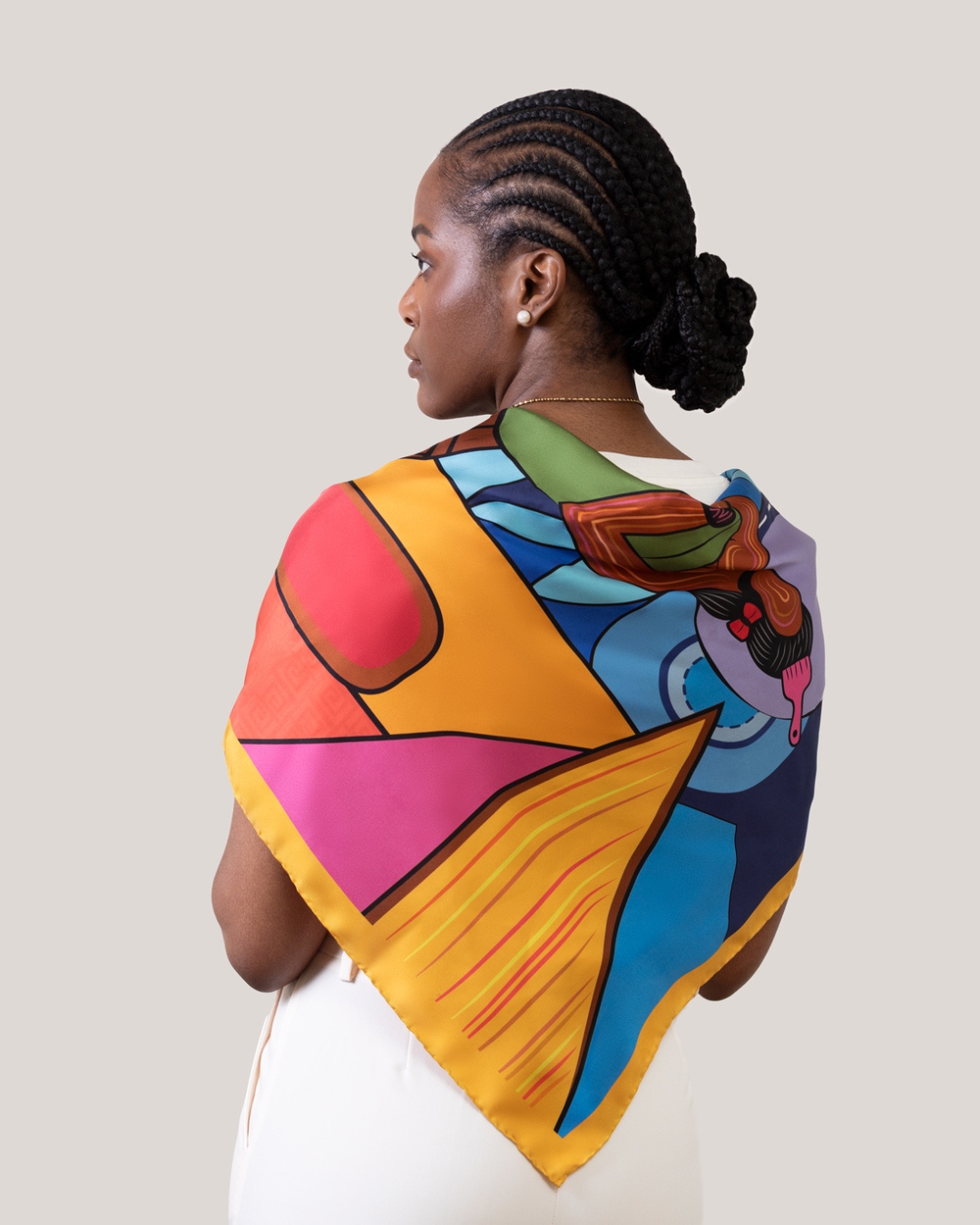
Heritage Braids draws on all of this history. The crossing lines, the interlocking patterns, the rhythm of a gesture repeated for centuries. This is not a reference to braiding as a trend. It is a tribute to braiding as memory.
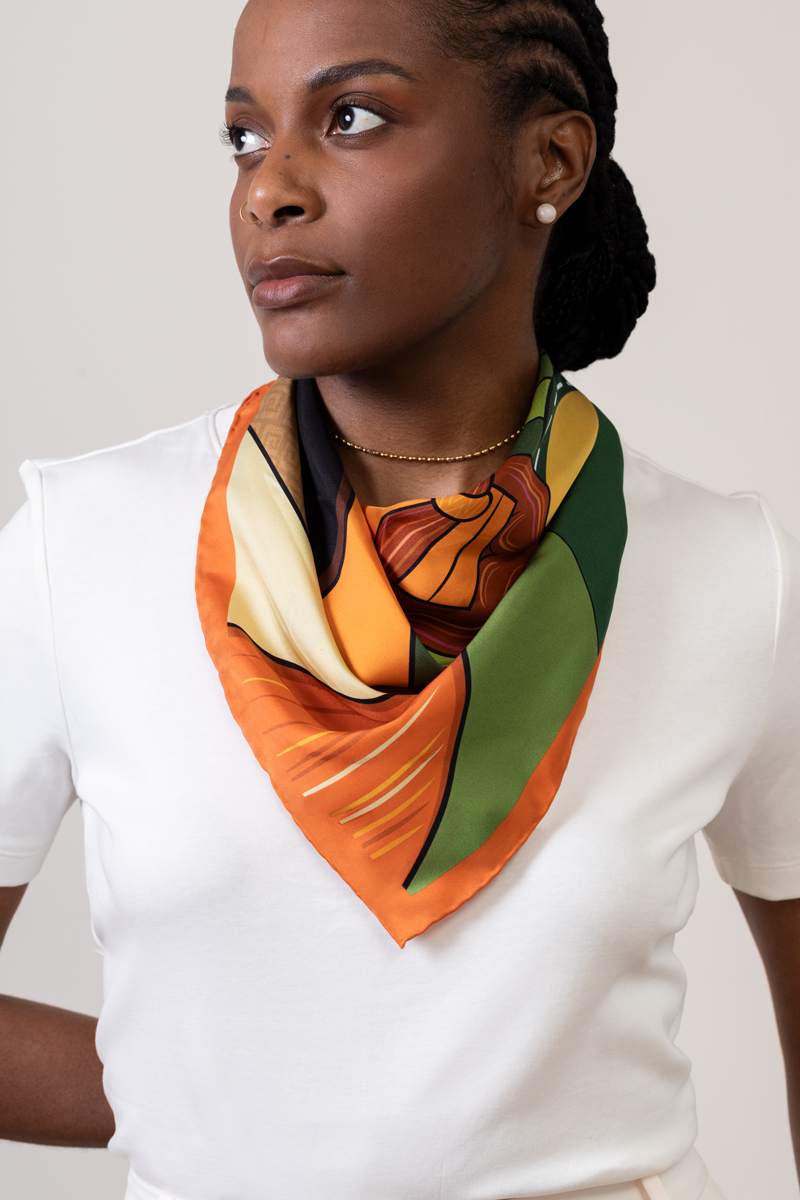
This square carries all of that.